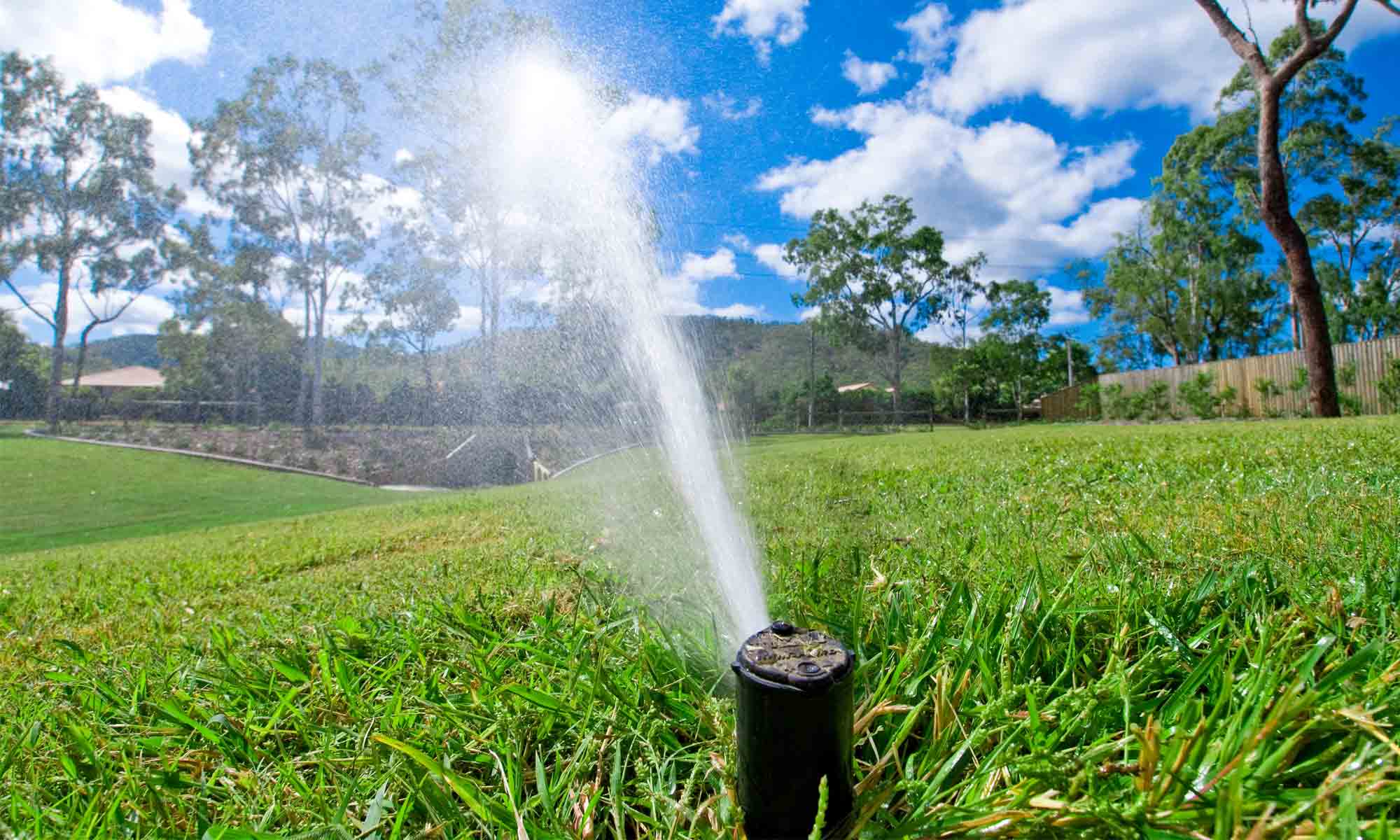

A healthy lawn depends on more than regular watering. Your sprinkler system has to deliver the right amount of water to the right places at the right time. Even a small issue can lead to brown patches, rising water bills, and unnecessary wear on your irrigation equipment.
Many homeowners in Idaho Falls and Ammon assume their sprinkler system is working properly because water is coming out of the heads. In reality, hidden problems often develop long before the system completely fails.
We help homeowners throughout East Idaho identify these issues early, keeping irrigation systems operating efficiently while protecting landscaping investments.
Here are ten signs it is time to schedule professional sprinkler maintenance.
Why Early Sprinkler Maintenance Matters
Routine maintenance is one of the easiest ways to extend the life of your irrigation system. Small repairs are almost always less expensive than replacing valves, pipes, or controllers that have been neglected.
Regular inspections can help you:
- Reduce water waste.
- Improve lawn health.
- Prevent emergency repairs.
- Extend the life of your irrigation system.
- Lower monthly water bills.
According to the U.S. Environmental Protection Agency WaterSense program, efficient irrigation practices can significantly reduce outdoor water use while maintaining healthy landscapes.
Sign #1: Brown or Dry Spots in Your Lawn
One of the first indicators of sprinkler problems is uneven watering.
If certain areas remain brown while surrounding grass is green, your system may have:
- A clogged nozzle.
- A broken sprinkler head.
- Poor spray coverage.
- Low water pressure.
Ignoring dry spots often leads to unhealthy turf that becomes more difficult and expensive to restore.
Sign #2: Soggy Areas or Standing Water
Too much water can be just as damaging as too little.
Puddles around sprinkler heads or constantly wet soil may indicate:
- A leaking valve.
- A cracked pipe.
- A broken sprinkler head.
- Incorrect nozzle sizing.
Excess water also increases the risk of fungal diseases and root damage.
Sign #3: Your Water Bill Has Increased
If your water usage suddenly rises without any obvious explanation, your irrigation system could be the reason.
Hidden leaks often waste hundreds or even thousands of gallons of water during a single irrigation season.
The EPA WaterSense leak resources explain that outdoor irrigation leaks can waste substantial amounts of water if they are not repaired promptly.
Sign #4: Broken or Damaged Sprinkler Heads
Sprinkler heads are exposed to lawn mowers, vehicles, foot traffic, pets, and freezing temperatures.
Inspect your yard for heads that are:
- Cracked.
- Missing.
- Leaning.
- Stuck in the ground.
- Spraying water in the wrong direction.
Replacing damaged heads early improves coverage and prevents wasted water.
Sign #5: Low Water Pressure
Low pressure often results in poor sprinkler performance.
You may notice:
- Heads that barely pop up.
- Weak spray patterns.
- Limited watering distance.
- Entire zones receiving inadequate coverage.
Low pressure can be caused by leaks, damaged valves, or restrictions within the irrigation system.
Sign #6: Uneven Water Coverage
Every part of your landscape should receive consistent watering.
If some sections receive far more water than others, your sprinkler system may need:
- Spray pattern adjustments.
- Nozzle replacement.
- Head alignment.
- Pressure balancing.
Proper coverage promotes healthier grass while reducing unnecessary water use.
Sign #7: Your Irrigation Controller Is Not Working Properly
The controller serves as the brain of your sprinkler system.
Signs of controller problems include:
- Incorrect watering schedules.
- Zones that fail to start.
- Zones that never shut off.
- Lost programming after power outages.
Modern smart irrigation controllers can improve efficiency by adjusting watering schedules based on weather conditions.
The EPA WaterSense guidance on weather-based irrigation controllers explains how these systems help reduce water waste.
Sign #8: Valves Are Not Opening or Closing Correctly
Irrigation valves control the flow of water to each zone.
When valves fail, you may experience:
- Constant water flow.
- Zones that refuse to activate.
- Intermittent watering.
- Water hammer or unusual noises.
Valve problems should be diagnosed quickly before they affect the entire system.
Sign #9: Water Is Pooling Around Sprinkler Heads
Pooling water often indicates that sprinkler heads are leaking or damaged.
This can result from:
- Worn seals.
- Cracked fittings.
- Broken risers.
- Improper installation.
Standing water not only wastes water but can also damage landscaping and create slippery conditions.
Sign #10: Your Sprinkler System Is More Than 10 Years Old
Older irrigation systems often continue operating, but they may no longer perform efficiently.
Technology has improved significantly over the past decade.
Newer systems offer:
- Better water efficiency.
- Improved spray patterns.
- Smart controller integration.
- Enhanced reliability.
If your system is aging, routine maintenance becomes even more important.
How Professional Maintenance Protects Your Investment
While homeowners can identify obvious issues, a professional inspection often uncovers problems that are hidden below the surface.
During a maintenance visit, we inspect:
- Sprinkler heads.
- Valves.
- Controllers.
- Water pressure.
- Underground leaks.
- Spray patterns.
- Backflow prevention devices when applicable.
Our goal is to ensure your irrigation system performs efficiently throughout the growing season.
Don’t Wait Until a Small Problem Becomes a Major Repair
Many expensive sprinkler repairs begin as small issues that could have been corrected during a routine inspection.
Scheduling maintenance early can help you:
- Prevent larger repairs.
- Keep your lawn healthy.
- Reduce water consumption.
- Extend the life of your irrigation equipment.
- Enjoy a worry-free irrigation season.
Schedule Residential Sprinkler Maintenance Today
If you’ve noticed any of these warning signs, now is the perfect time to schedule a professional inspection.
We proudly provide residential sprinkler maintenance, repairs, and irrigation services throughout Idaho Falls, Ammon, and surrounding East Idaho communities.
Call us today to schedule your sprinkler maintenance.
You can also visit our Contact Us page to request an appointment online.
Want to learn more about irrigation systems? Visit our blog for additional articles covering sprinkler maintenance, sprinkler installation, repairs, and backflow prevention.
Frequently Asked Questions
How often should I have my sprinkler system inspected?
We recommend a professional inspection every spring before regular watering begins. Annual maintenance helps identify issues before they become expensive repairs.
Can one broken sprinkler head really affect my entire lawn?
Yes. A damaged head can reduce coverage, waste water, and create dry or oversaturated areas that affect the health of your landscape.
Why is my sprinkler system using more water than last year?
Increased water use may be caused by underground leaks, damaged valves, worn sprinkler heads, or controller programming issues.
Can I repair my sprinkler system myself?
Some minor adjustments are possible, but diagnosing pressure issues, valve failures, electrical problems, and underground leaks is usually best left to experienced irrigation professionals.
Do you service sprinkler systems in Ammon and surrounding communities?
Yes. We provide sprinkler maintenance, sprinkler repairs, sprinkler installation, and backflow services throughout Idaho Falls, Ammon, and nearby East Idaho communities.