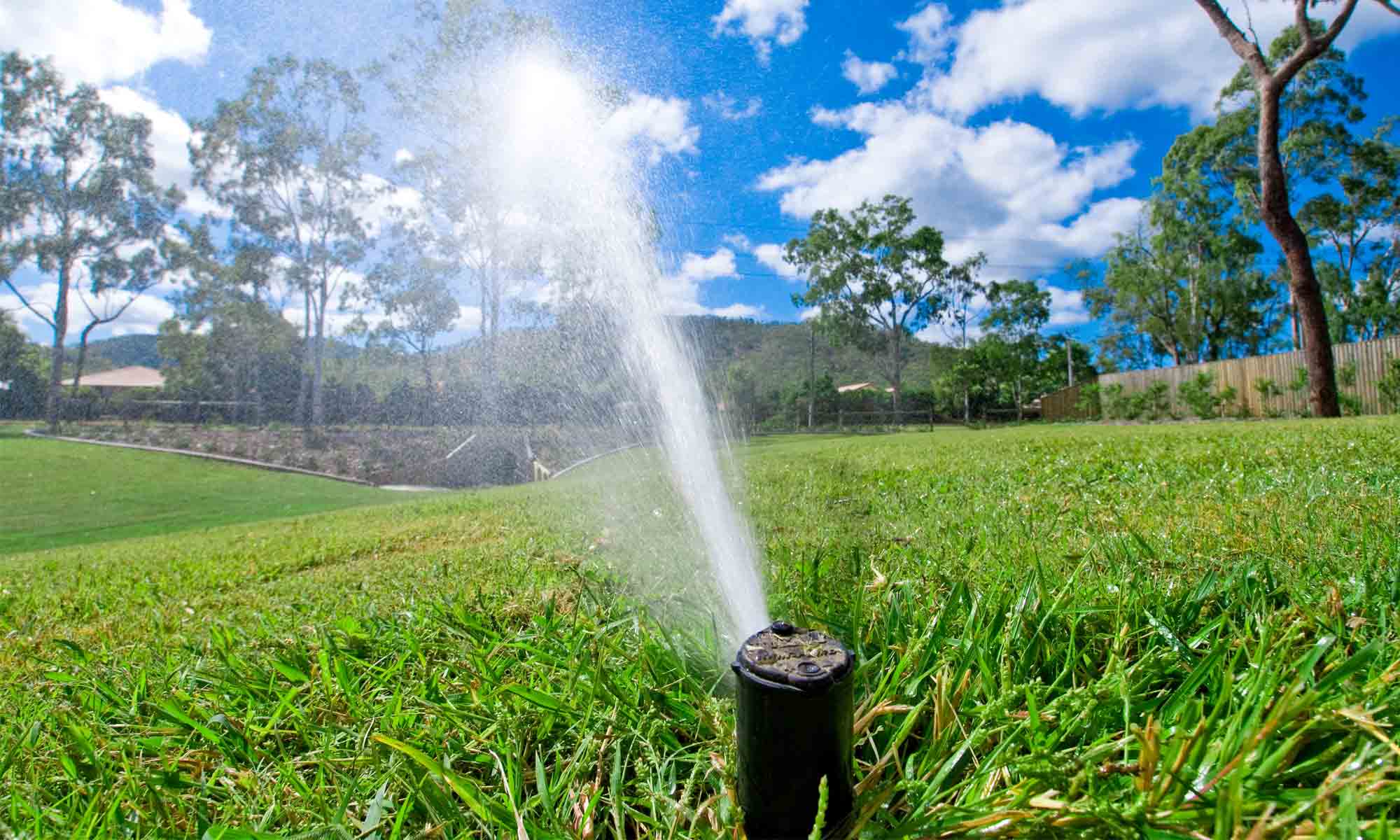

Most people never think about what happens inside their plumbing or irrigation system until something goes wrong. Every day, clean water flows from the public water supply into homes and businesses throughout Idaho Falls and Ammon. That water is expected to remain safe from the treatment plant to your faucet.
One of the most important components protecting that water is a backflow prevention device.
If a backflow prevention device fails or is missing where one is required, contaminated water can flow backward into the public drinking water system. That is why many irrigation systems and commercial plumbing systems require both a backflow prevention device and annual testing.
Understanding how these devices work helps property owners appreciate why they are so important and why regular inspections should never be overlooked.
What Is Backflow?
To understand backflow prevention, it helps to first understand backflow itself.
Under normal conditions, water flows in one direction from the municipal water system into your home or business.
Backflow occurs when water reverses direction because of a change in pressure.
This reversal can happen in two primary ways.
Backpressure
Backpressure occurs when the pressure inside a plumbing or irrigation system becomes greater than the pressure in the public water supply.
When that happens, contaminated water can be pushed backward into the drinking water system.
Backsiphonage
Backsiphonage happens when there is a sudden drop in pressure within the public water supply.
A water main break, heavy firefighting activity, or maintenance work can create a vacuum effect that pulls water backward through connected plumbing systems.
According to the U.S. Environmental Protection Agency Cross-Connection Control Manual, cross-connections and backflow are significant risks to public drinking water systems if they are not properly controlled.
What Is a Backflow Prevention Device?
A backflow prevention device is a mechanical assembly installed on a plumbing or irrigation system that prevents water from flowing in the wrong direction.
Its purpose is simple.
It allows water to move toward your property while preventing contaminated water from returning to the public water supply.
These devices protect drinking water from contaminants such as:
- Fertilizers
- Herbicides
- Pesticides
- Bacteria
- Chemicals
- Stagnant irrigation water
Without a properly functioning device, these contaminants could enter the municipal water system under the right conditions.
Common Types of Backflow Prevention Devices
Different properties require different types of backflow prevention devices depending on the level of risk.
Pressure Vacuum Breaker (PVB)
Pressure vacuum breakers are one of the most common devices used on residential sprinkler systems.
They protect against backsiphonage and are commonly installed above ground near irrigation systems.
Reduced Pressure Zone Assembly (RPZ)
Reduced pressure zone assemblies provide one of the highest levels of protection.
They are often required for commercial properties or applications where contamination risks are greater.
These devices include multiple check valves and a relief valve that provides additional protection if internal components fail.
Double Check Valve Assembly (DCVA)
Double check valve assemblies are commonly used in lower hazard applications.
They contain two independently operating check valves that prevent reverse water flow under normal operating conditions.
Choosing the proper device depends on the property’s plumbing configuration and local requirements.
Why Backflow Prevention Devices Are Required
Backflow prevention is about protecting everyone connected to the public water supply.
A single cross-connection has the potential to affect more than one property if contaminated water enters the municipal distribution system.
That is why many municipalities require backflow prevention devices on:
- Residential irrigation systems
- Commercial irrigation systems
- Restaurants
- Medical facilities
- Industrial properties
- Multi-family housing
- Buildings with specialized plumbing systems
The American Water Works Association supports comprehensive cross-connection control programs to help protect public drinking water from contamination.
Who Needs a Backflow Prevention Device?
Many property owners are surprised to learn they already have a backflow prevention device installed.
You may need one if your property has:
- An underground sprinkler system
- A commercial irrigation system
- A fire suppression system
- Specialized plumbing equipment
- Any connection that could allow contaminated water to enter the public water supply
If you are unsure whether your property requires a backflow prevention device, we can help evaluate your system.
Why Annual Maintenance Matters
Installing a backflow prevention device is only part of the solution.
Like any mechanical equipment, these assemblies experience wear over time.
Internal components such as springs, seals, and check valves can deteriorate due to:
- Age
- Water pressure
- Mineral deposits
- Debris
- Normal use
Routine maintenance helps identify worn components before they affect the performance of the device.
Why Annual Backflow Testing Is Important
Many backflow prevention devices require annual testing by a certified backflow tester.
Testing verifies that:
- The device is functioning correctly.
- Internal valves are sealing properly.
- Pressure readings meet required standards.
- The device continues protecting the public water supply.
Annual testing also helps property owners remain compliant with local requirements.
The Idaho Department of Environmental Quality provides information about protecting drinking water systems across the state, including cross-connection control and backflow prevention.
Signs Your Backflow Prevention Device May Need Attention
Although many problems are only identified during certified testing, there are a few warning signs that should not be ignored.
These include:
- Visible water leaks
- Corrosion
- Water continuously discharging from the relief valve
- Reduced water pressure
- Unusual noises near the device
If you notice any of these issues, it is a good idea to schedule an inspection as soon as possible.
Why Property Owners Trust YardTech
We understand the importance of protecting your drinking water while helping you remain compliant with local requirements.
Our services include:
- Certified backflow testing
- Backflow prevention device inspections
- Irrigation system evaluations
- Sprinkler maintenance
- Sprinkler repairs
- Seasonal irrigation services
Whether you own a home or manage a commercial property, we can help ensure your backflow prevention device is operating correctly.
Schedule Backflow Prevention Service Today
Protecting your drinking water begins with a properly functioning backflow prevention device.
If you need backflow testing, an inspection, or have questions about your irrigation system, we are here to help.
Call us today to schedule your backflow prevention service in Idaho Falls or Ammon.
You can also visit our Contact Us page to request an appointment online.
Want to learn more about backflow prevention and irrigation systems? Visit our blog for additional articles covering annual backflow testing, sprinkler maintenance, sprinkler installation, and commercial irrigation services.
Frequently Asked Questions
What does a backflow prevention device do?
A backflow prevention device stops contaminated water from flowing backward into the public drinking water system when pressure changes occur.
Does every sprinkler system require a backflow prevention device?
Many irrigation systems require one, but requirements vary depending on local regulations and the level of hazard associated with the property.
How often should a backflow prevention device be tested?
Many devices must be tested once each year by a certified backflow tester to ensure they are operating correctly and meeting local requirements.
Can a backflow prevention device be repaired?
Yes. Many devices can be repaired if worn components are identified during inspection or testing. In some cases, replacement may be the better option.
Do you provide backflow prevention services in East Idaho?
Yes. We provide certified backflow testing, inspections, and related irrigation services throughout Idaho Falls, Ammon, and surrounding East Idaho communities.