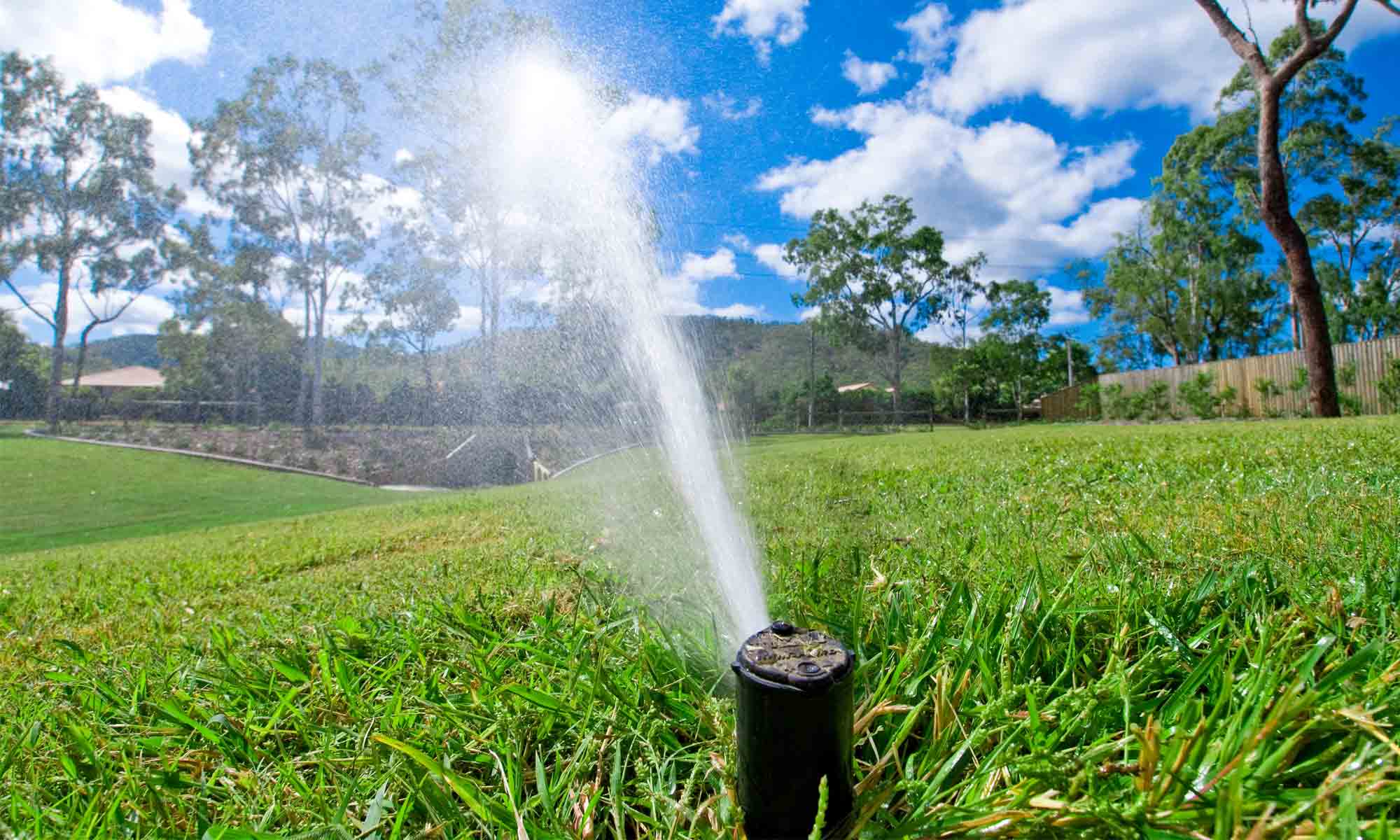


Installing a new sprinkler system is an exciting upgrade for your home or commercial property. A professionally designed irrigation system makes lawn care easier, helps conserve water, and keeps your landscape looking healthy throughout the growing season.
Many homeowners know they want an automatic sprinkler system but are unsure what the installation process actually involves. Questions about timelines, yard disruption, system design, and startup are common.
Our goal is to make every sprinkler installation in Idaho Falls as smooth and efficient as possible. From the initial consultation through the final walkthrough, we focus on building an irrigation system that provides reliable performance for years to come.
Why Professional Installation Matters
A sprinkler system is more than a collection of pipes and sprinkler heads. Every component must work together to deliver consistent water coverage while minimizing waste.
Professional installation provides several advantages:
- Customized irrigation design.
- Proper zoning.
- Efficient water usage.
- Reliable system performance.
- Long-term durability.
According to the Irrigation Association, professionally designed irrigation systems improve water efficiency and help maintain healthier landscapes.
Step 1: Property Evaluation and Consultation
Every successful sprinkler installation begins with a thorough property evaluation.
During this visit, we assess:
- Lawn size.
- Landscape layout.
- Existing plant material.
- Trees and shrubs.
- Flower beds.
- Water pressure.
- Soil conditions.
- Sun exposure.
Every property is unique, so we design each irrigation system specifically for the landscape it will serve.
We also discuss your goals, budget, and any future landscaping plans before creating the system design.
Step 2: Designing Your Irrigation System
Once the site evaluation is complete, we design a sprinkler system that provides complete coverage while maximizing water efficiency.
The design process includes:
Determining Irrigation Zones
Different parts of your landscape require different amounts of water.
Separating your property into irrigation zones allows each area to receive the proper amount of water based on plant type, sun exposure, and soil conditions.
Selecting Sprinkler Heads
Different sprinkler heads perform better in different situations.
We choose components based on:
- Lawn size.
- Spray distance.
- Water pressure.
- Landscape features.
Using the right equipment helps improve efficiency and reduce overspray.
Planning Pipe Layout
Proper pipe placement ensures balanced water pressure and consistent performance throughout the entire irrigation system.
Step 3: Preparing the Installation Site
Before installation begins, we carefully mark the locations for:
- Underground piping.
- Sprinkler heads.
- Valve boxes.
- Controller location.
- Main water connection.
This preparation helps minimize disruption while ensuring every component is installed in the proper location.
Whenever possible, we protect existing landscaping throughout the installation process.
Step 4: Installing Underground Irrigation Lines
The next step involves installing underground piping that delivers water to each irrigation zone.
We carefully trench the necessary areas and install durable irrigation pipe designed for long-term performance.
Once the piping is installed, we connect:
- Sprinkler heads.
- Valves.
- Main water supply.
- Zone manifolds.
Proper installation is critical to preventing leaks and maintaining consistent water pressure.
Step 5: Installing the Irrigation Controller
The irrigation controller serves as the brain of your sprinkler system.
We install and program the controller based on your property’s irrigation needs.
Modern smart controllers offer additional benefits such as:
- Automatic seasonal adjustments.
- Weather-based scheduling.
- Mobile app access.
- Improved water conservation.
The EPA WaterSense guidance on weather-based irrigation controllers explains how smart controllers help reduce outdoor water use while maintaining healthy landscapes.
Step 6: Installing the Backflow Prevention Device
Most irrigation systems require a backflow prevention device to protect the public drinking water supply.
The type of device depends on local requirements and the design of your irrigation system.
Installing the proper backflow prevention assembly helps prevent contaminated irrigation water from flowing back into the municipal water system.
The U.S. Environmental Protection Agency Cross-Connection Control Manual outlines the importance of backflow prevention for protecting drinking water.
We can also provide certified annual backflow testing after installation when required.
Step 7: Testing the Entire System
Before your new irrigation system is placed into service, we perform a complete system test.
We inspect:
- Water pressure.
- Sprinkler head operation.
- Zone coverage.
- Valve performance.
- Controller programming.
- Backflow device operation.
Any necessary adjustments are made to ensure every zone performs correctly.
Step 8: Final Adjustments and Walkthrough
After testing is complete, we perform a final walkthrough with you.
We explain:
- Controller operation.
- Seasonal watering schedules.
- Routine maintenance recommendations.
- Winterization procedures.
- Backflow testing requirements if applicable.
We want every customer to feel comfortable operating their new sprinkler system.
What Happens After Installation?
A professionally installed sprinkler system requires very little day-to-day attention, but routine maintenance helps maximize its lifespan.
We recommend:
- Annual spring startup.
- Seasonal inspections.
- Sprinkler head adjustments.
- Backflow testing when required.
- Winterization before freezing temperatures arrive.
Routine service helps keep your irrigation system operating efficiently for years.
Why Homeowners and Businesses Choose YardTech
We take pride in designing irrigation systems that deliver reliable performance while conserving water.
Our services include:
- Residential sprinkler installation.
- Commercial sprinkler installation.
- Sprinkler repairs.
- Seasonal maintenance.
- Smart irrigation upgrades.
- Certified backflow testing.
- Irrigation system inspections.
Every installation is customized to meet the needs of your property and the growing conditions found throughout East Idaho.
Schedule Your Sprinkler Installation Consultation
If you’re ready to install a new sprinkler system, we would be happy to help.
We proudly provide professional sprinkler installation throughout Idaho Falls, Ammon, and surrounding East Idaho communities.
Call us today to schedule your consultation.
You can also visit our Contact Us page to request an estimate online.
Want to learn more about irrigation systems? Visit our blog for additional articles covering sprinkler maintenance, sprinkler repairs, backflow prevention, and seasonal irrigation tips.
Frequently Asked Questions
How long does sprinkler installation usually take?
Most residential sprinkler installations can be completed within one to several days, depending on the size of the property and the complexity of the system.
Will sprinkler installation damage my lawn?
Some temporary disruption is unavoidable, but we work carefully to minimize disturbance and restore affected areas as part of the installation process.
Can I add a smart irrigation controller during installation?
Yes. Many homeowners choose to install a weather-based smart controller that improves water efficiency and provides convenient scheduling.
Will my sprinkler system include a backflow prevention device?
Many irrigation systems require a backflow prevention device to comply with local regulations and protect the public water supply.
Do you install sprinkler systems throughout East Idaho?
Yes. We proudly provide professional sprinkler installation, sprinkler repairs, maintenance, and backflow services throughout Idaho Falls, Ammon, and surrounding East Idaho communities.